
Regenerative Medicine, Tissue Engineering, Environmental Biology & Bioinformatics Research Group
Research Areas
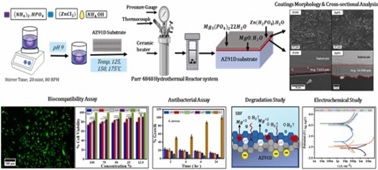
Biomimetic Textiles & Smart Materials
Biomimetic textiles are designed by mimicking natural structures and biological systems. These smart materials adapt to environmental stimuli, ensuring biocompatibility, durability, and enhanced functionality for biomedical applications.
Nanoparticles & Functionalization
Nanotechnology enables the integration of nanoparticles into textiles for antimicrobial properties and stimuli-responsive behaviors. Functionalization with biocompatible coatings enhances therapeutic effectiveness and safety.
In-vitro & In-vivo Studies
Extensive biological testing is conducted to evaluate cytotoxicity, bioactivity, and tissue integration of the developed textiles. These studies ensure the safety and effectiveness of biomedical textile applications.
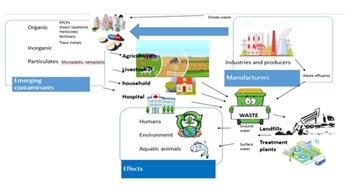
Environmental Toxicology & Safety
Evaluating the potential toxicity, biodegradability, and eco-friendliness of nanomaterials used in biomaterials ensures minimal environmental impact and regulatory compliance for safe clinical applications.
Scale-up & Commercialization
Transitioning from laboratory research to industrial production requires optimizing materials for mass production, cost-effectiveness, and regulatory approval, making them accessible for healthcare applications.
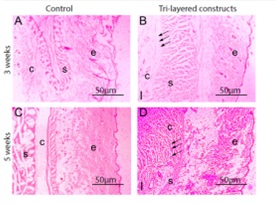
Translational Applications
Biomedical textiles find real-world applications in wound healing patches, tissue-engineered scaffolds, and wearable m edical devices, improving personalized healthcare and regenerative medicine solutions.
Data Analysis and Interpretation
RNA sequencing, genomics and proteomics data analysis, population genetics, database development, artificial intelligence and machine learning projects.
Molecular Oncology and Tissue Engineering
Understanding the cartilage regeneration, corneal regeneration, wound healing using natural biomaterials and differentiation of mesenchymal stem cells.