
Bone Repair and Regeneration Group
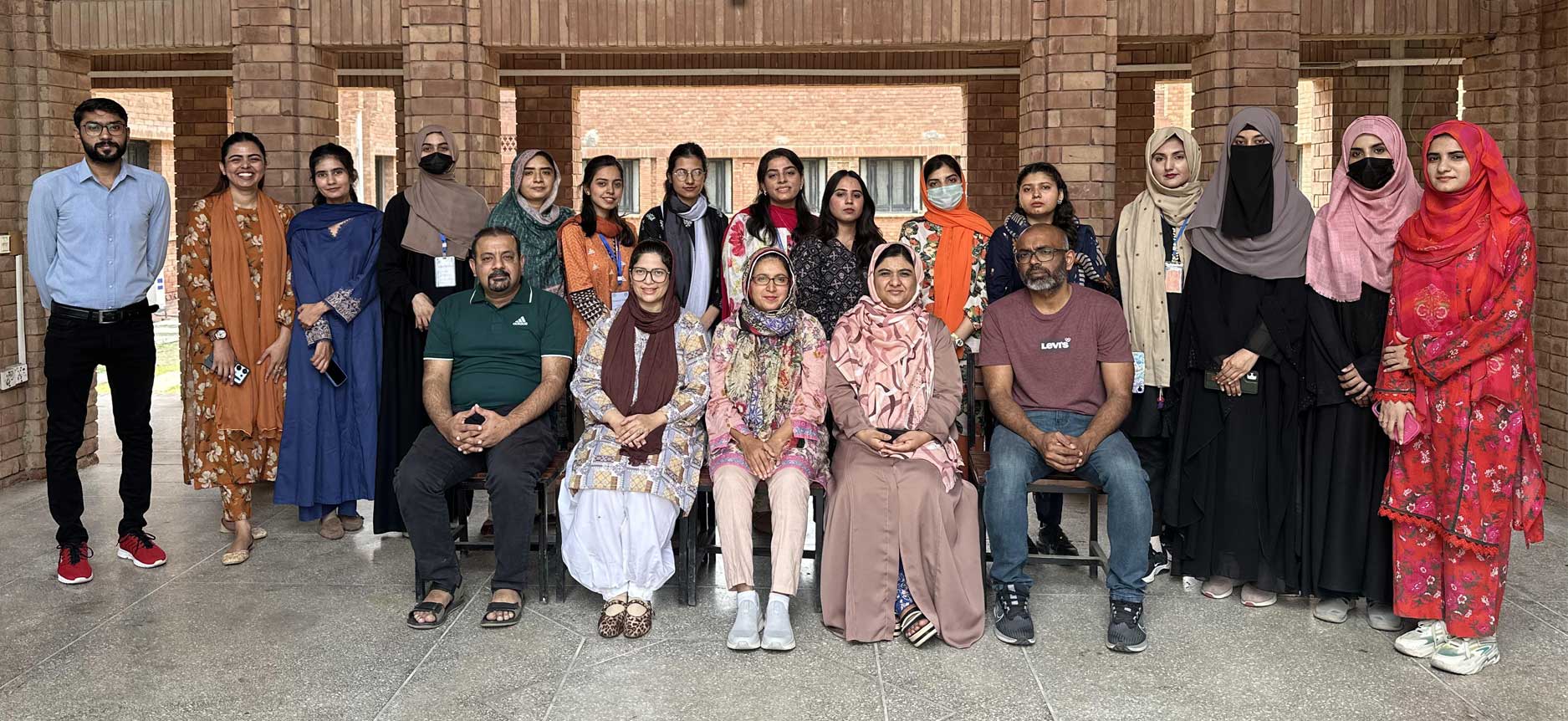
Welcome to the Bone Repair and Regeneration Group at the Interdisciplinary Research Centre for Biomedical Materials (IRCBM), COMSATS University Islamabad, Lahore Campus. We pioneer next-generation biomaterials and regenerative therapies, addressing critical challenges in bone and orthopedic repair through a comprehensive translational approach.
Our research encompasses the full spectrum from foundational material design to potential clinical application, mirroring the journey from Laboratory to Patient. We focus on developing innovative solutions using materials, materials combined with cells, and cell-only approaches for applications such as: bone repair, cartilage regeneration, maxillofacial reconstruction, dura mater regeneration, alveolar cleft palate repair, cranial repair, pelvic and vertebral applications, periodontitis treatment, and drug delivery.
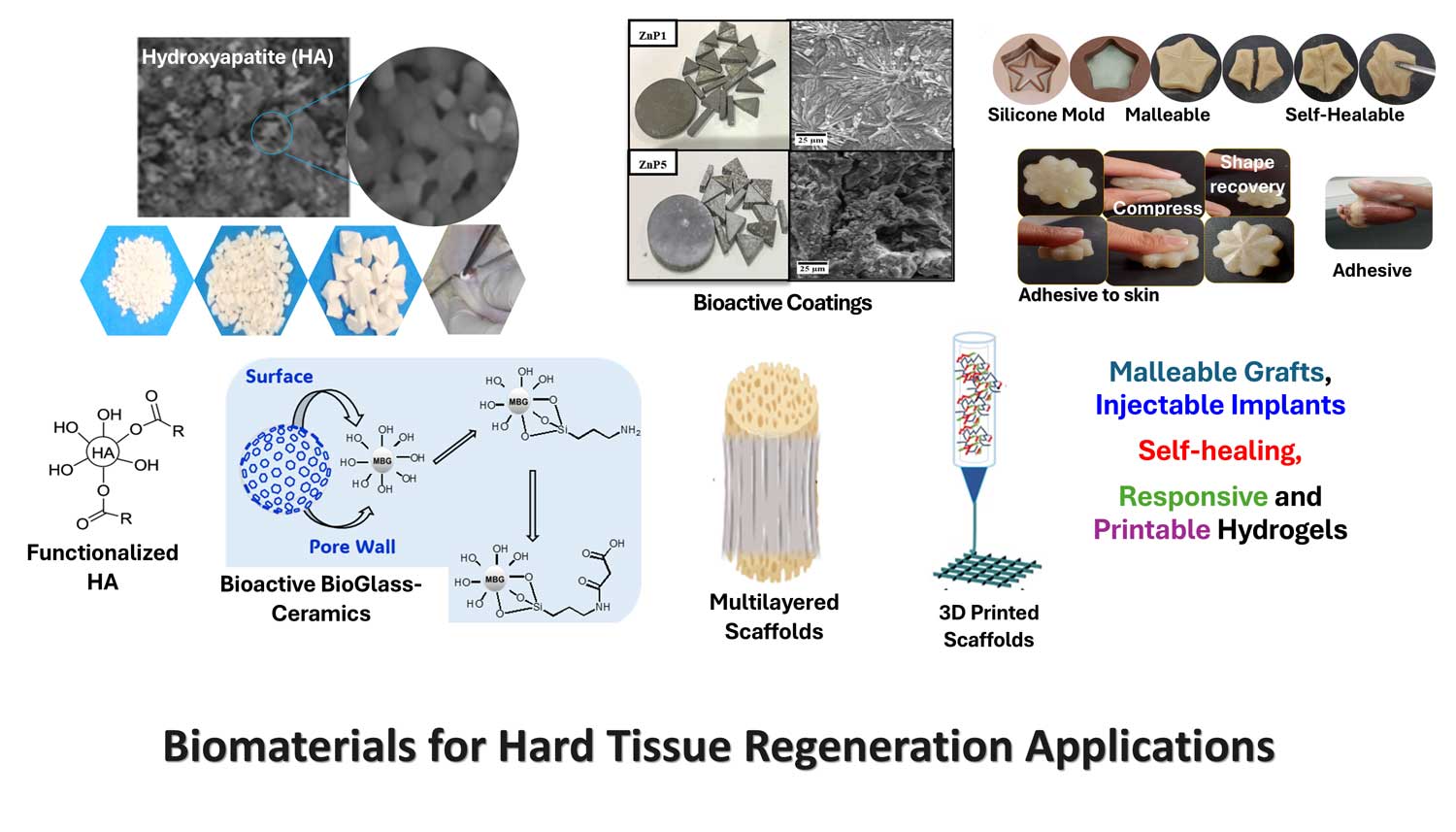
Key Areas of Research:
- Advanced Bioceramics and Composites
- Metallic Implants and Coatings
- Innovative Scaffold
- Smart and Stimuli-Responsive Biomaterials
- Nanomaterials, Natural compounds and Biopolymers for Bone Regeneration
Evaluation and Validation
We conduct rigorous in-vitro biological evaluation using cell lines (pre-osteoblasts, fibroblasts, keratinocytes) to assess osteogenic potential, tissue integration, and wound healing. This is complemented by critical in-vivo analysis where appropriate, employing standardized protocols including gene expression analysis, micro-computed tomography, and mechanical testing to validate biomaterial performance and safety.
Translation and Scale-Up
With a clear focus on clinical translation, we characterize promising technologies and address the challenges of scale-up (from grams to kilograms). This includes the sustainable selection of raw materials and understanding the regulatory requirements necessary to move innovations towards real-world impact.
Collaborative Focus
Critical to our success are research partnerships with maxillofacial surgeons, periodontal specialists, orthodontic experts, and orthopedic clinicians. This interdisciplinary synergy ensures our solutions address genuine clinical needs and accelerates the development of smart biomaterials for bone tissue regeneration.
Future Directions
We continue to push the boundaries through:
- Computational optimization of biomaterial properties.
- Advanced three-dimensional printing of multi-tissue constructs.
- Clinical translation of developed prototypes.
- Advancing hard tissue engineering through artificial intelligence, with specific applications in material optimization, diagnostics, and the development of personalized treatment strategies.