Products and Commercial Technologies
Natperi Patches
Synthetic Periosteum Membrane Substitute
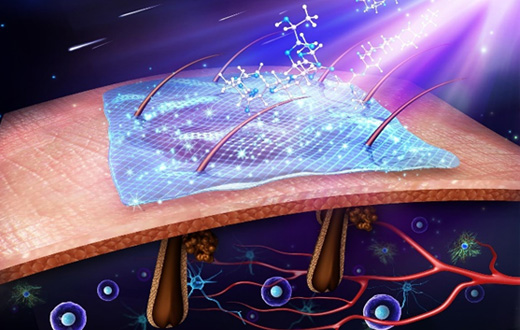
Natperi Patches are an advanced biomimetic material engineered to replicate the natural regenerative and protective functions of the human periosteum. It offers high mechanical strength, flexibility, and controlled degradability for orthopedic, dental, and trauma surgeries.
Description
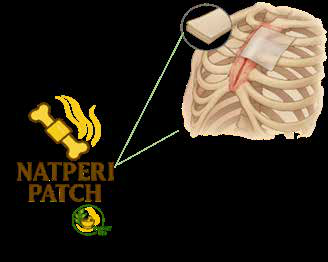
Natperi Patches are an advanced biomimetic material engineered to replicate the natural regenerative and protective functions of the human periosteum. It offers high mechanical strength, flexibility, and controlled degradability for orthopedic, dental, and trauma surgeries.
Available Sizes
- 5 cm x 5 cm 150,000 PKR
Advanced Bone Regeneration Applications
Bone Graft Wrap
Wraps around loose bone fillers to secure them and guide bone formation.
Orthopedic Surgeries
Enhances healing of fractured long bones and complex skeletal repairs.
Dental GBR
Guided bone regeneration and alveolar ridge preservation before implants.
Trauma Reconstruction
Immediate periosteal substitute for severe compound fractures.
Spinal Fusion Support
Provides structural support and tissue isolation during spinal cage placements.
Craniofacial Repairs
Reconstruction of thin cranial bones and facial bone cavities.
Technology Status & Commercialization
Status: Ready for Technology transfer and Commercialization. DRAP Class III approvals and clinical trials required for medical application.
Business Potential
High Value Market
Replaces expensive imported GBR membranes costing over PKR 150k per patch.
Market Size Growth
Global market projected to grow from USD 104M to USD 242M by 2029 at 10% CAGR.
Start-up Focus
High commercialization potential for local biomedical start-ups.
Principal Investigator

Research Group