
Pak China Collaborations
Partner Institutions across China
IRCBM maintains active scientific partnerships with universities and research institutes across China — in Shanghai, Guangzhou, Guangdong and Xi’an. These links have produced jointly funded projects, high impact publications, reciprocal scientific visits, jointly organised conferences and funded PhD placements for CUI graduates.
Collaboration with ShanghaiShanghai Institute of Materia Medica (SIMM)
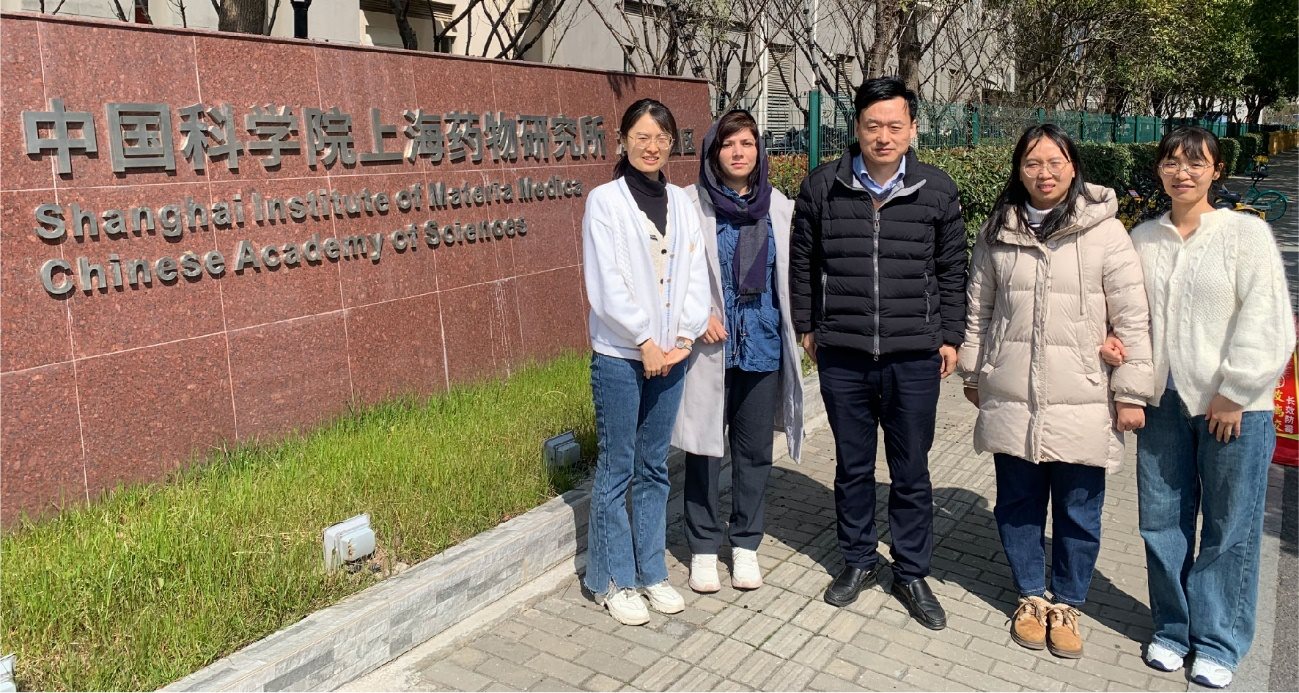
Dr. Madiha Saeed, Principal Investigator at IRCBM, CUI, Pakistan, has had an enduring scientific collaboration with Prof. Dr. Haijun Yu at the Shanghai Institute of Materia Medica (SIMM), China, since January 2019. Through this collaboration, they have successfully secured prestigious national and international research grants (such as the International Centre for Genetic Engineering and Biotechnology (ICGEB), Italy, and the National Natural Science Foundation of China (NSFC)), developed advanced nanobiomaterials/nanomedicines for combination cancer immunotherapy, and produced numerous high-impact publications in leading peer-reviewed journals, including Advanced Materials, Advanced Functional Materials, Advanced Science, Nano Today, Accounts of Materials Research, Biomaterials, Small, Theranostics, Nano Letters, and Advanced Healthcare Materials.
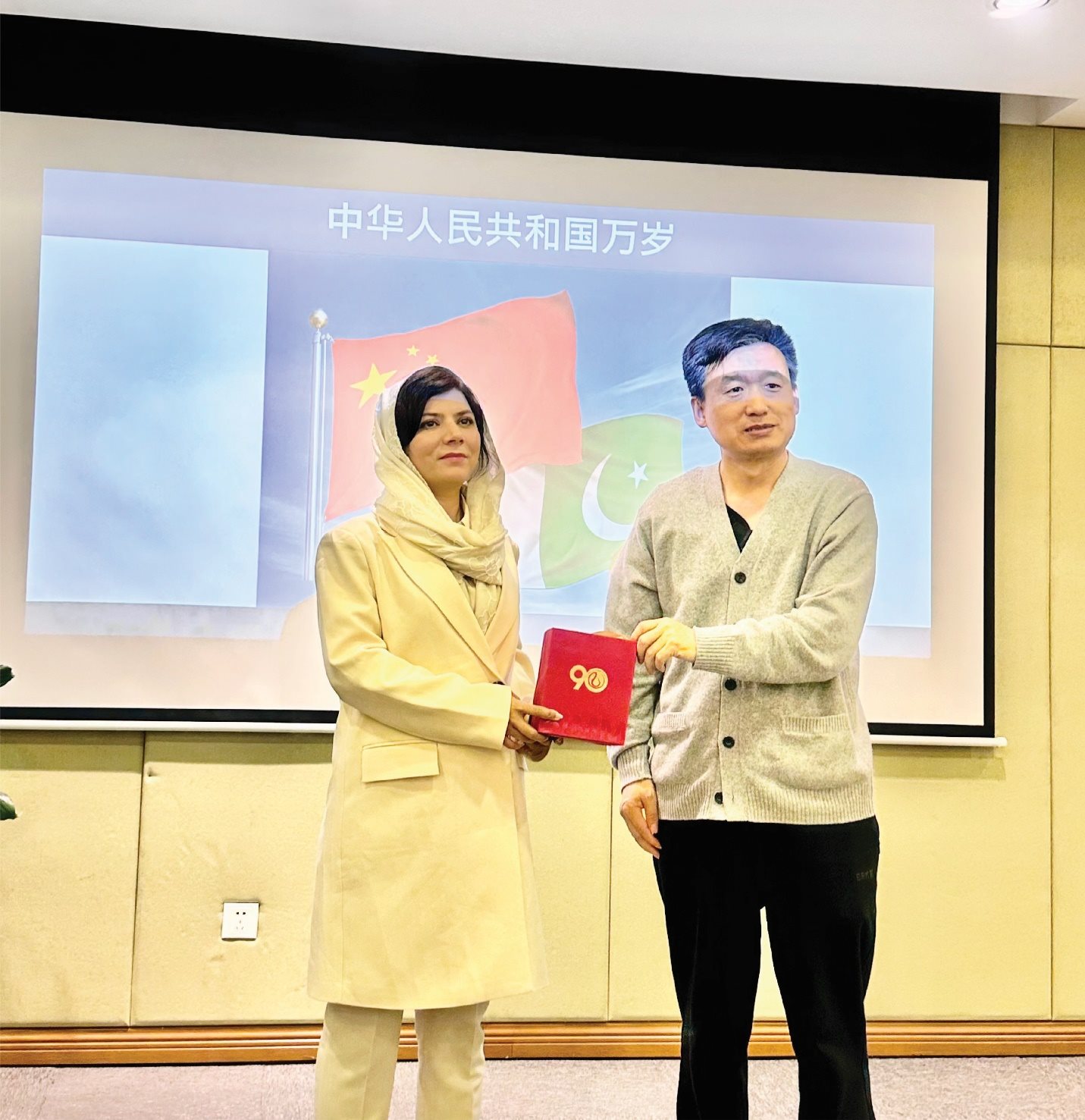
Dr. Madiha Saeed has been declared a “High-Level Foreign Talent” by the Shanghai Administration of Foreign Experts, China. Her research journey in advancing nanobiomaterials for cancer therapy has also been recognized by the CAS President’s International Fellowship Initiative (CAS PIFI) CAS PIFI profile. In recognition of their enduring collaboration, Prof. Haijun Yu presented her with the prestigious 90th Anniversary Memento of SIMM.
Research Grants, Fellowships, and Scientific Exchange with SIMM
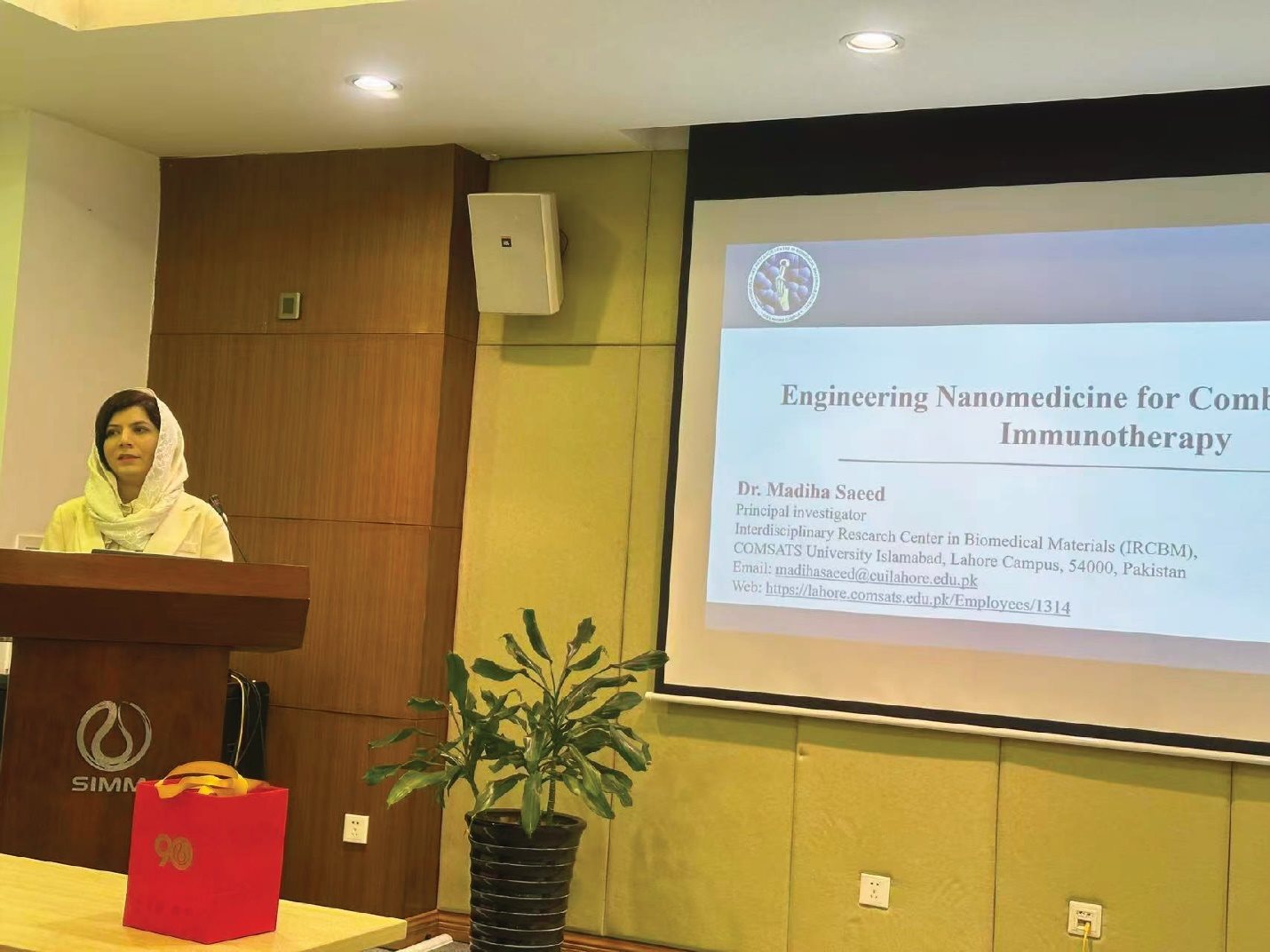
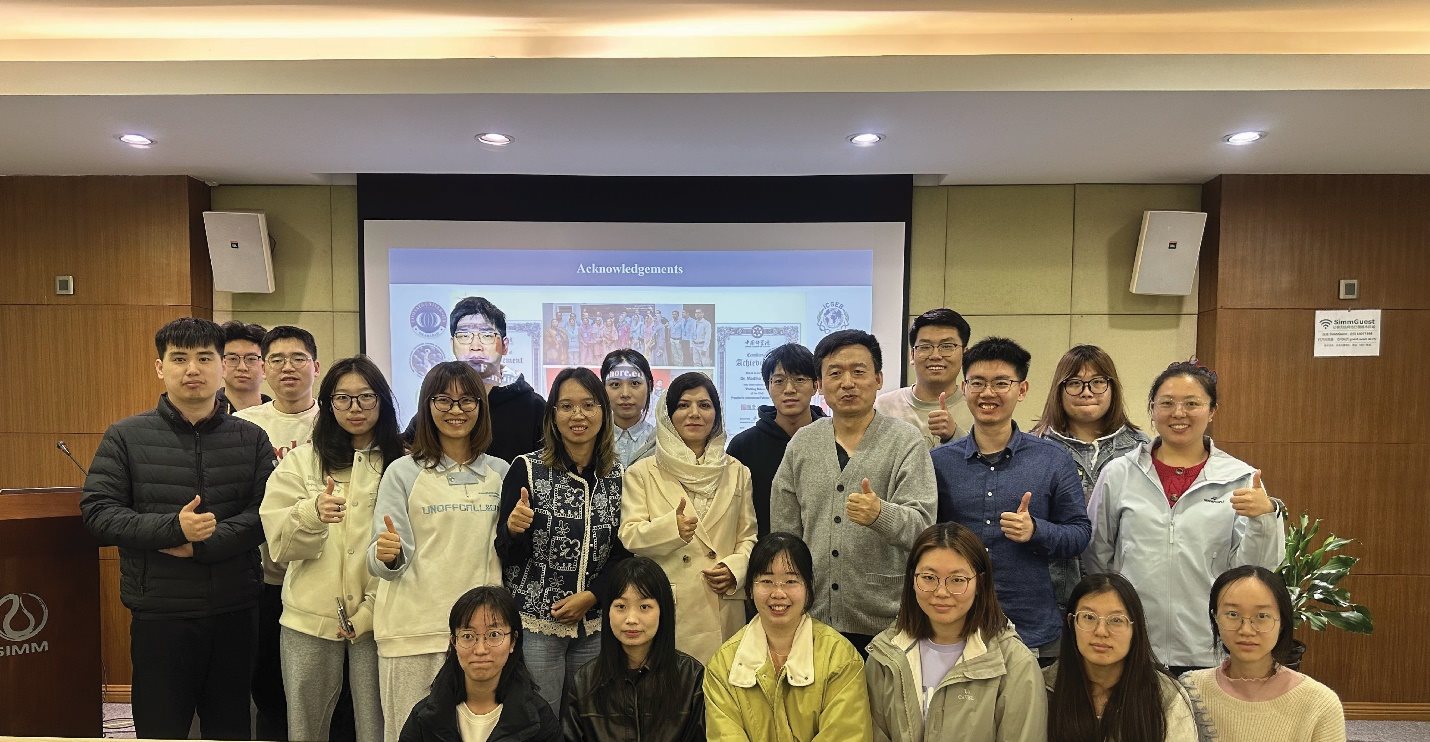
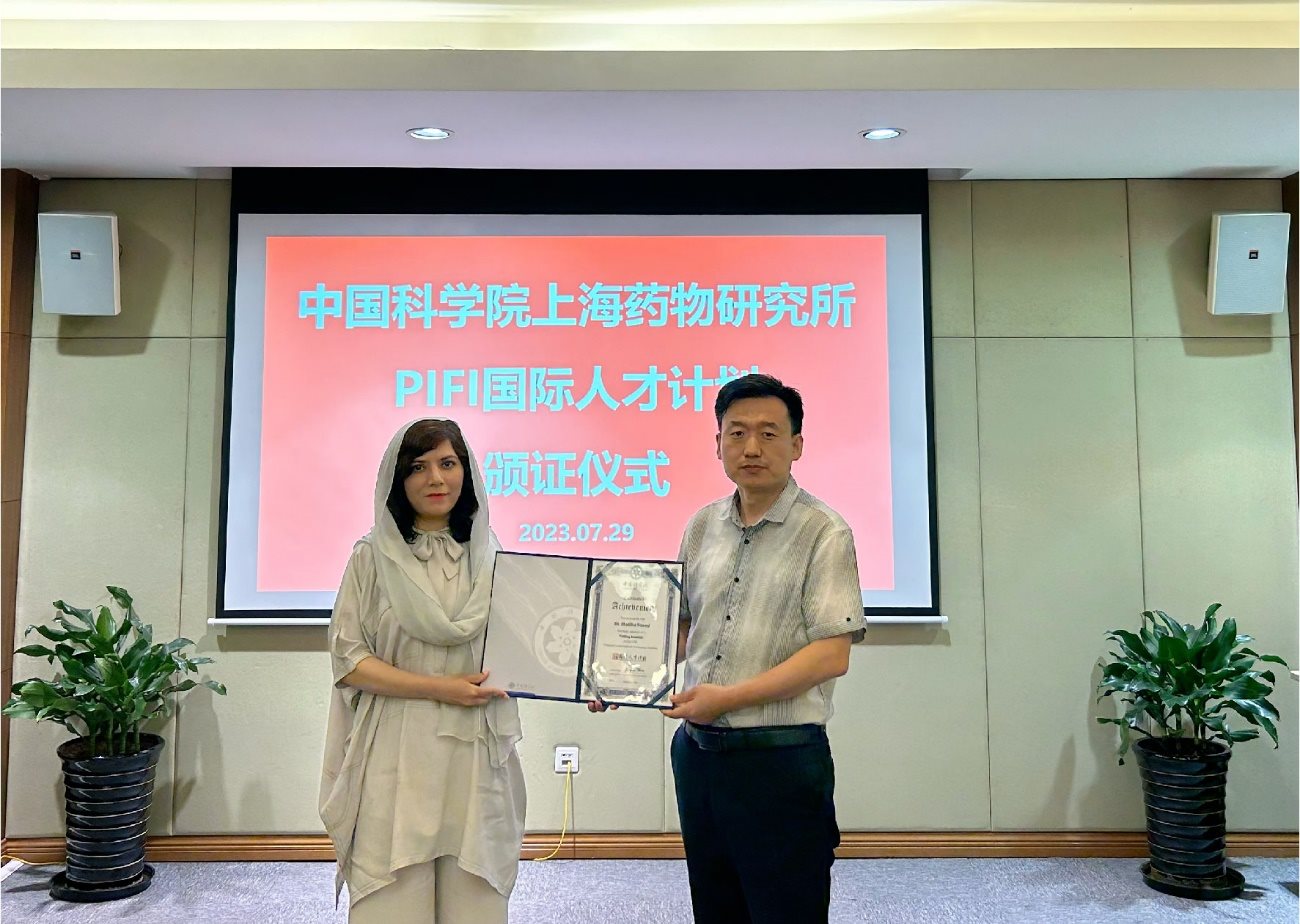
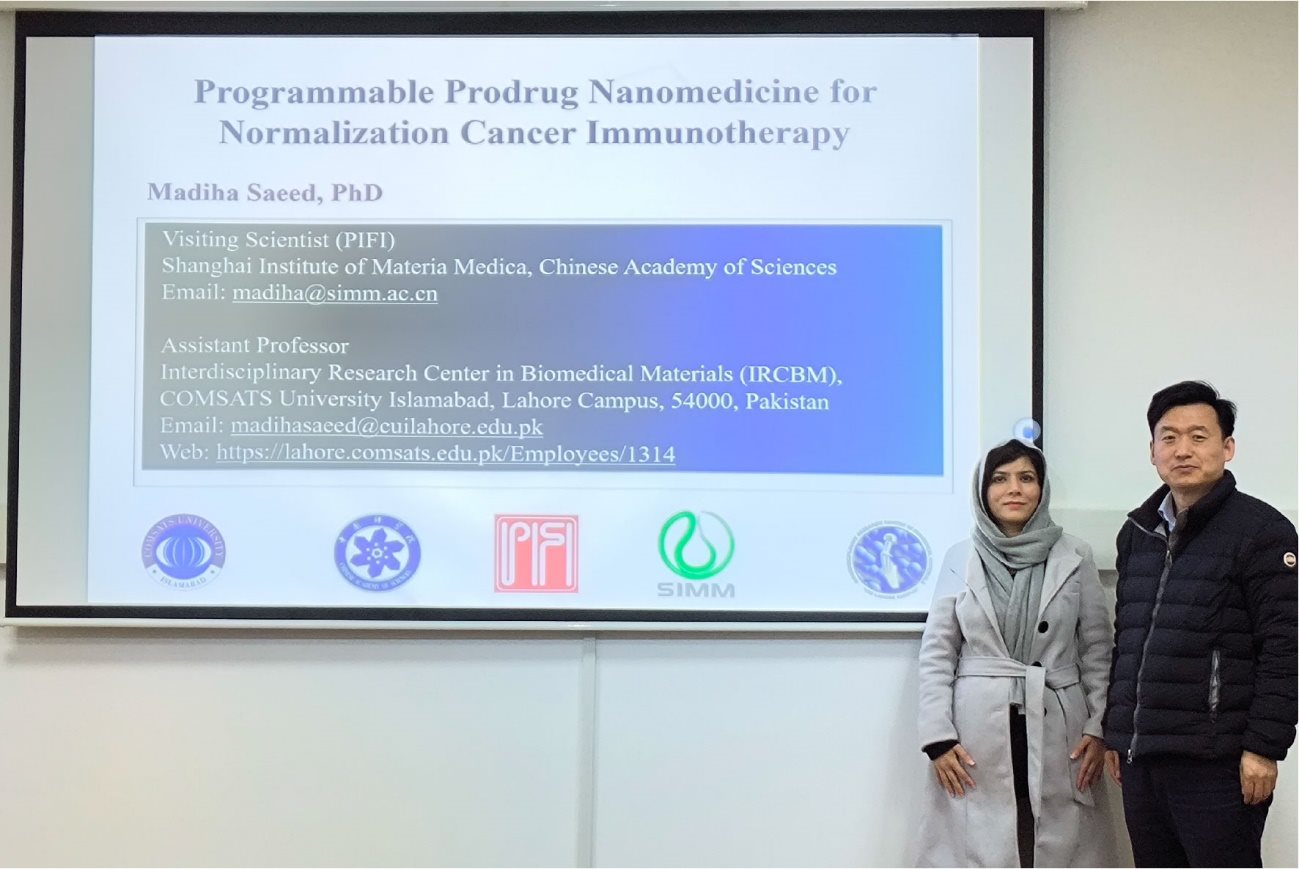
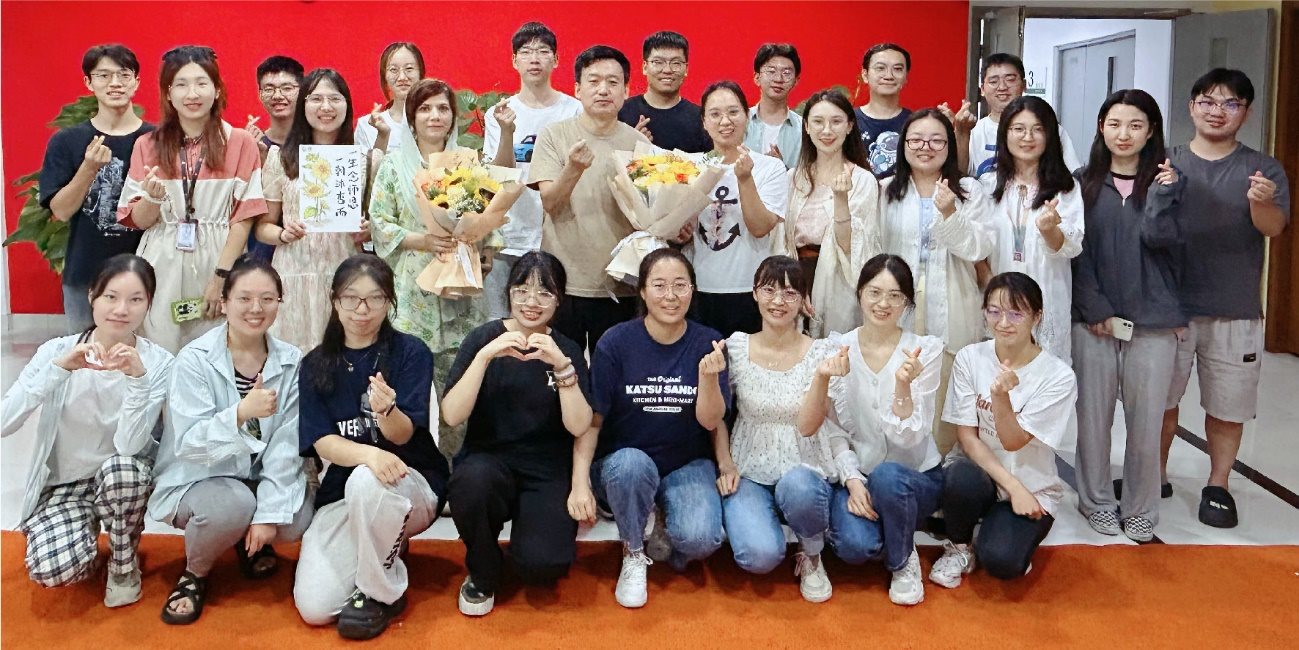
Dr. Madiha Saeed was awarded the Chinese Academy of Sciences (CAS) President’s International Fellowship Initiative (PIFI) Visiting Scientist Fellowship, which she completed in Prof. Haijun Yu’s group from July 2023 to March 2024, and received a Bouquet on Teacher’s Day. She also completed her Postdoc in Prof. Yu’s group under the CAS PIFI Program (2019–2021). In 2026, Dr. Madiha Saeed participated in a fully sponsored collaborative research visit on advanced cancer immunotherapy at SIMM, Shanghai. It further strengthened collaboration between COMSATS University and SIMM Shanghai.
Prof. Dr. Muhammad Yar's PIFI Fellowship
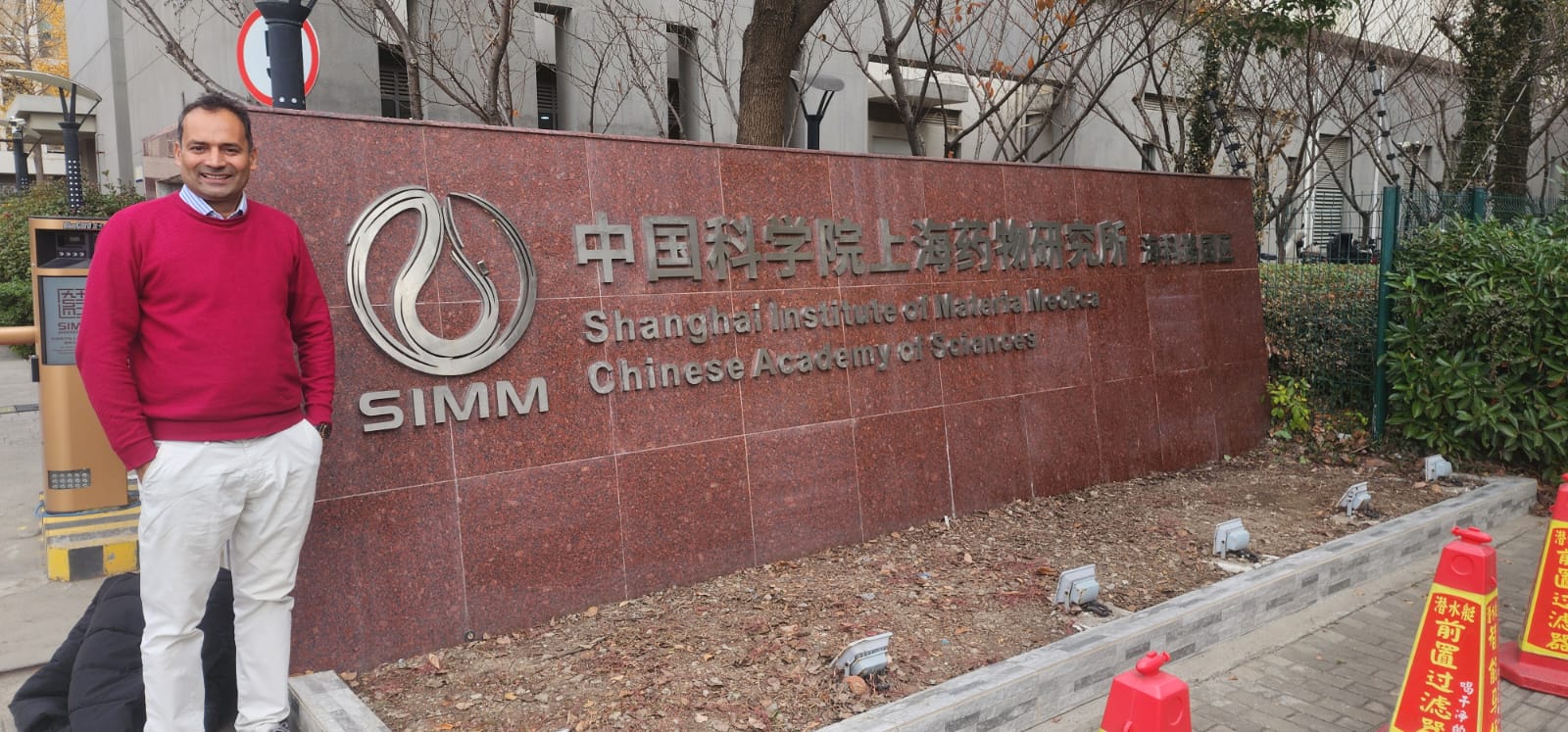
Prof. Dr. Muhammad Yar's Pakistan–China collaboration was established through the President's International Fellowship Initiative (PIFI) at SIMM, Chinese Academy of Sciences (CAS). The research focused on injectable hydrogel systems designed to reduce tumor recurrence following surgical resection, under the mentorship of Prof. Haijun Yu.
During his fellowship, Dr. Yar delivered lectures and research presentations at SIMM and other Chinese universities, visiting regional biomedical innovation hubs in Hangzhou, Linyi, Chongqing, and Haian to establish professional networks and discuss custom scale-up manufacturing opportunities.
Ningbo Institute of Materials Technology and Engineering (NIMTE)
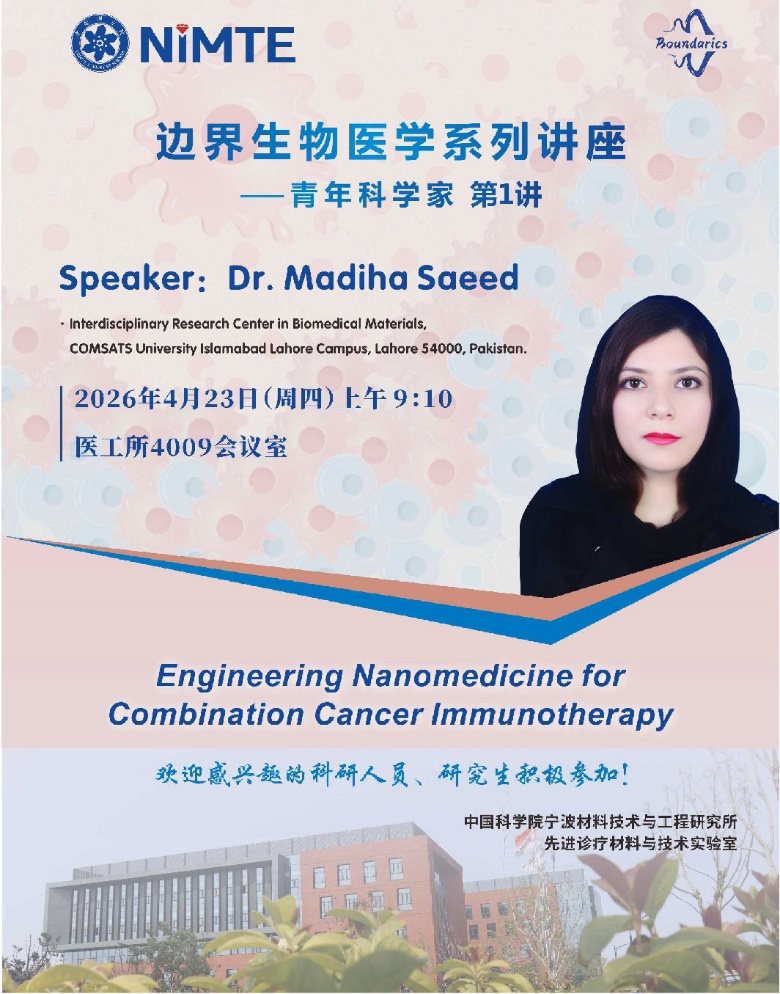
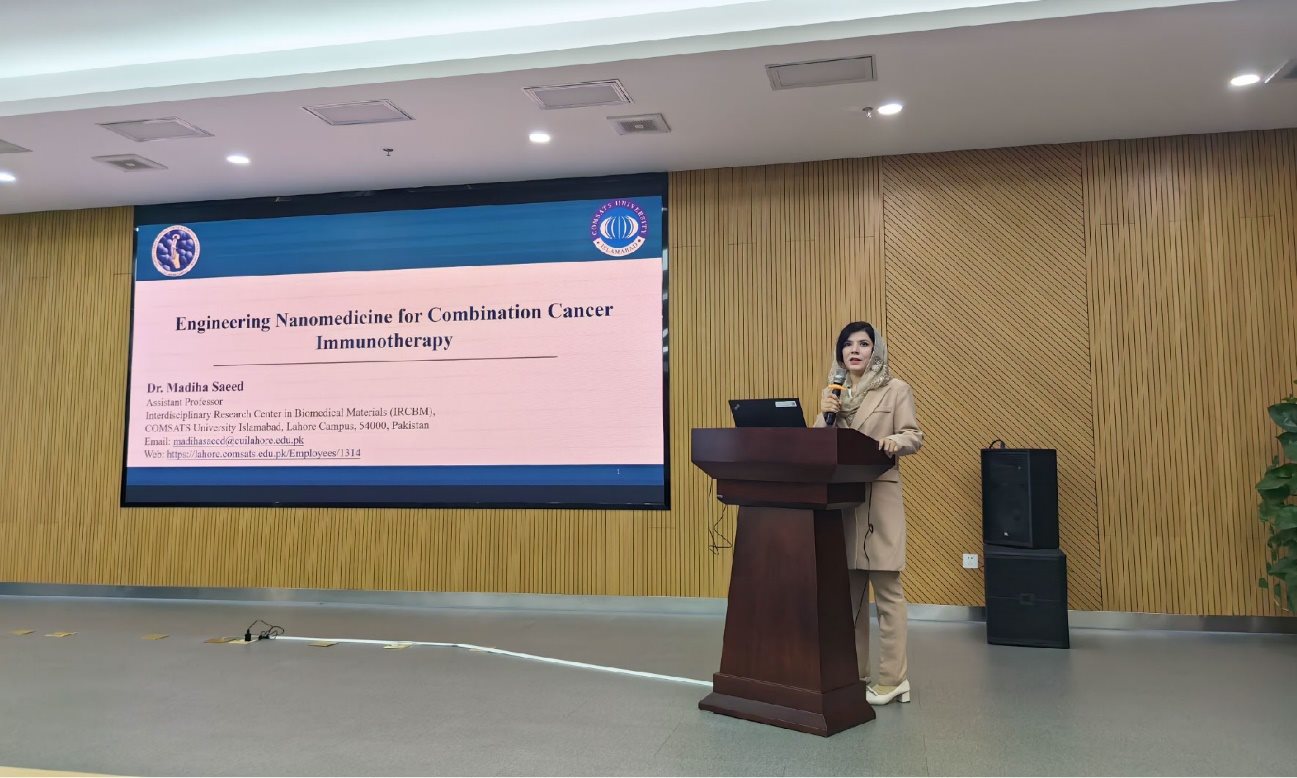
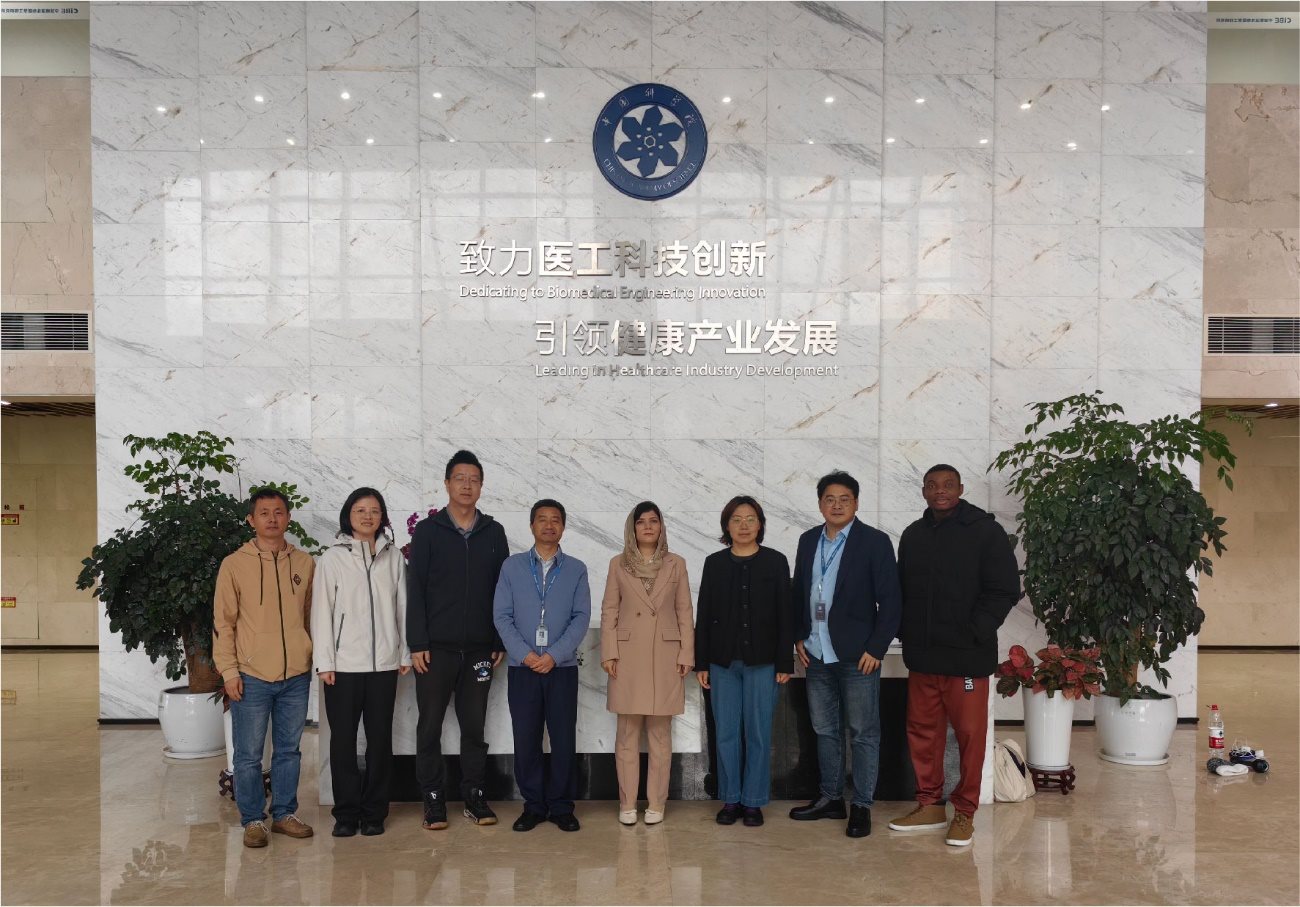
Dr. Madiha Saeed has been collaborating with the Ningbo Institute of Materials Technology and Engineering (NIMTE), Chinese Academy of Sciences (CAS), since 2014 as a CAS-TWAS Fellow. In 2026, she was invited by the Director of the NIMTE Cixi Campus, Prof. Aiguo Wu, to deliver an invited lecture on “Nanomedicine-Based Combination Cancer Immunotherapy.” Her lecture was spotlighted on the Official Website of the Ningbo Institute of Materials Technology and Engineering (NIMTE), Cixi Campus, China.
Changchun Institute of Applied Chemistry (CIAC), USTC
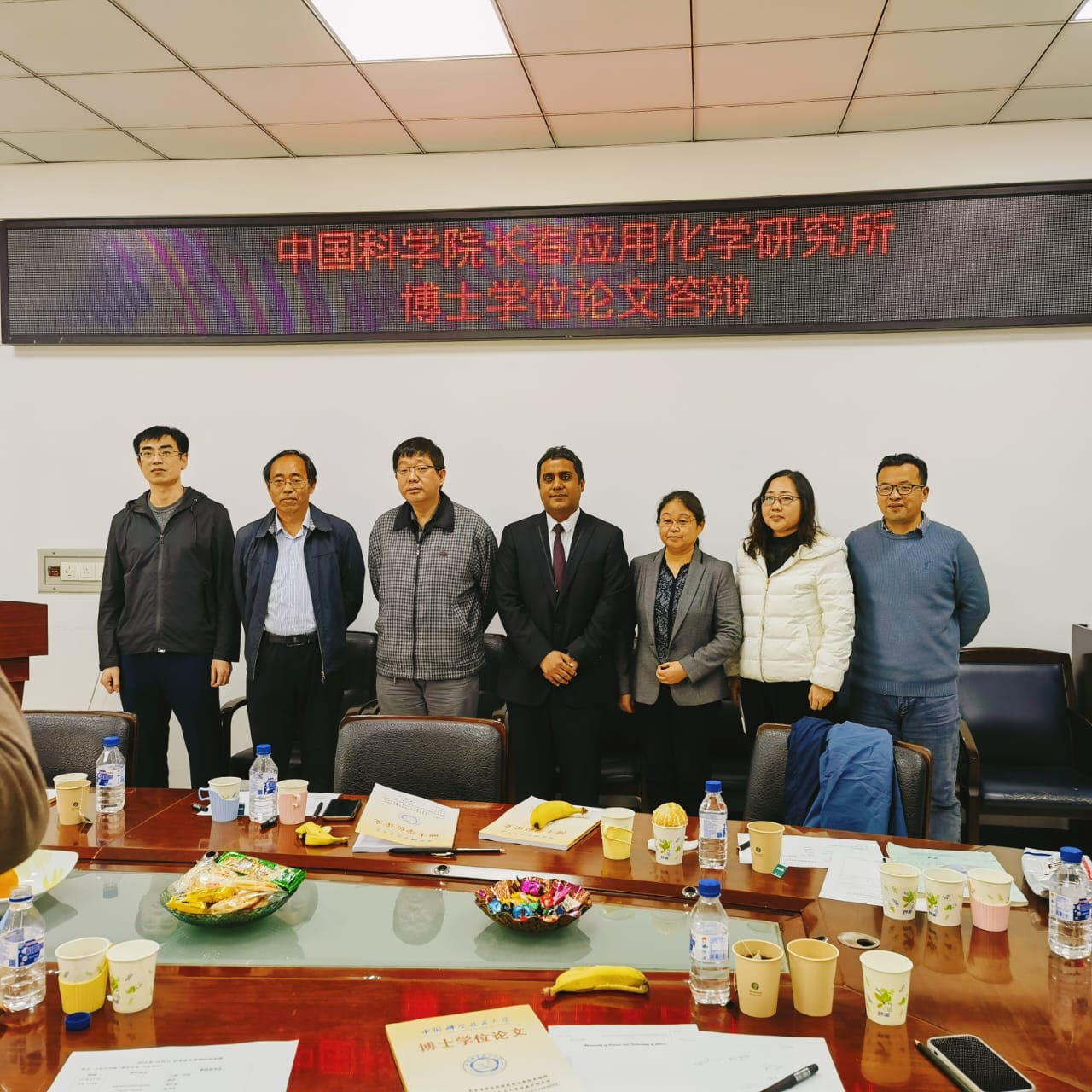
Dr. Muhammad Azhar Hayat Nawaz has an established collaboration with Prof. Cong Yu at the Changchun Institute of Applied Chemistry (CIAC), Chinese Academy of Sciences. This collaboration focuses on the design, synthesis, and application of advanced functional nanostructured materials for electrochemical, opto-electrochemical, and biosensing platforms.
Southwest University of Science and Technology, China
Dr. Khuram Shahzad has an active research collaboration with Prof. Dr. Wangsheng Zhao from the College of Life Sciences and Agro-Forestry, Southwest University of Science and Technology, China. This collaboration focuses on the integration of advanced bioinformatics and multi-omics approaches to address key biological and agricultural challenges.
ShanghaiEast China University of Science and Technology
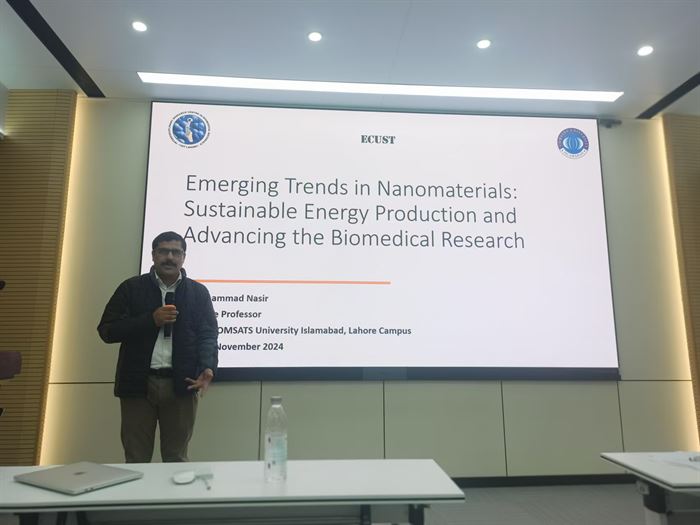
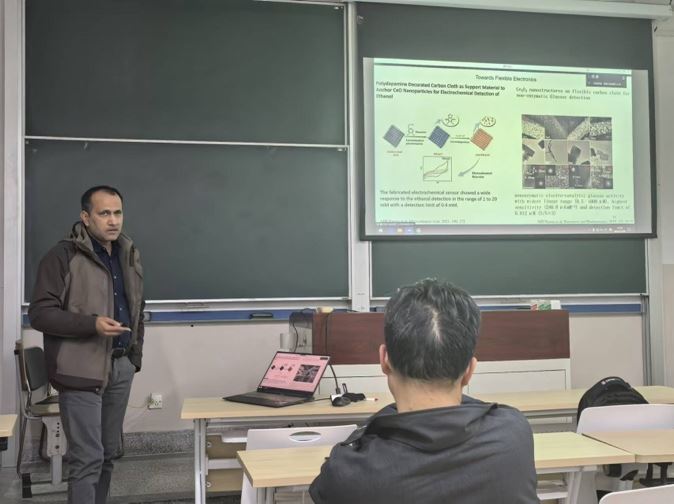
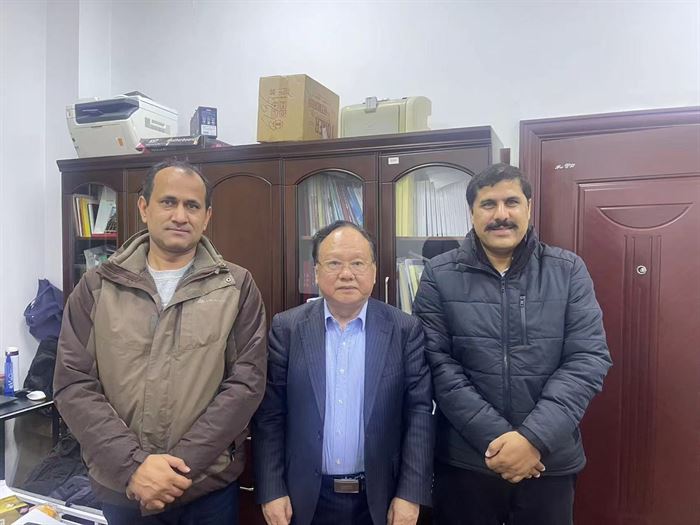
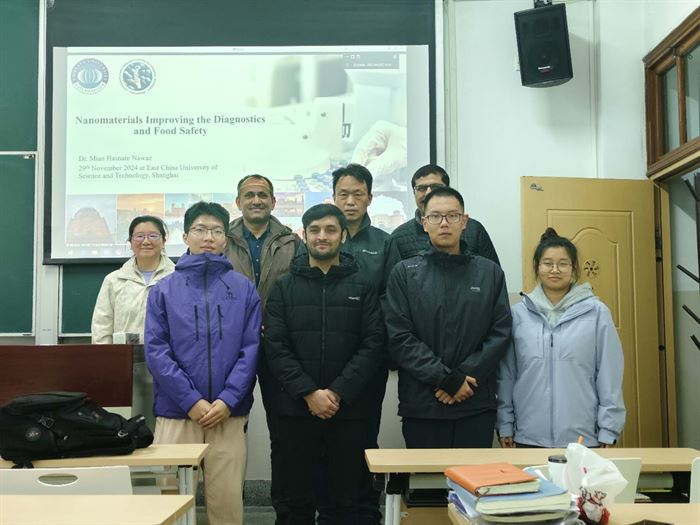
IRCBM has very deep scientific collaboration with East China University of Science and Technology with track record of several funded projects (completed and ongoing PSF-NSFC funded projects of PI Prof. Muhammad Nasir and his Chinese counterparts). The collaboration has resulted several high impact papers by Prof. Nasir’s and Prof. Hasnain’s groups with the Chinese labs of School of Chemistry and School of Materials Science of ECUST. Several cross border scientific visits and joint conference organizations have been occurred. This collaboration has also resulted in placement of CUI graduates at ECUST state of the art labs as funded PhD candidates.
ShanghaiUniversity of Shanghai Science and Technology
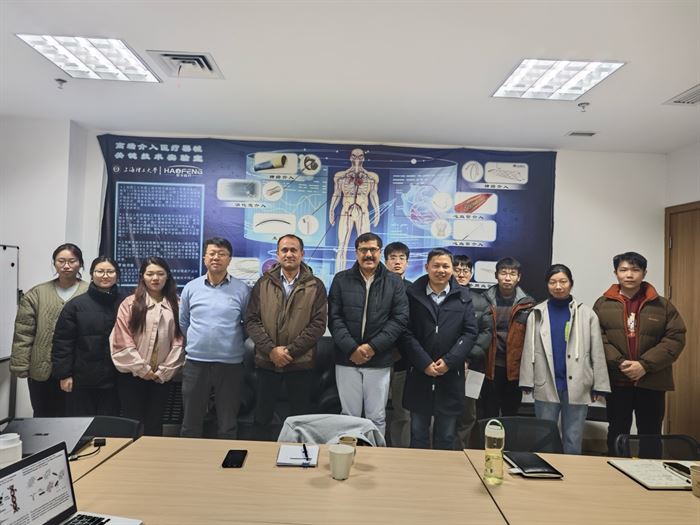
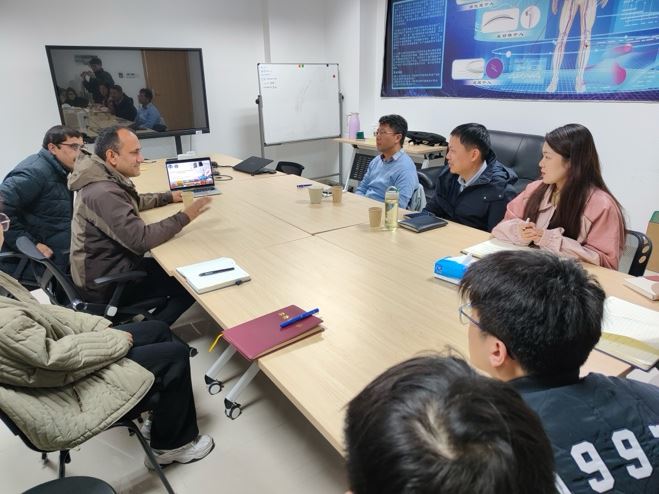
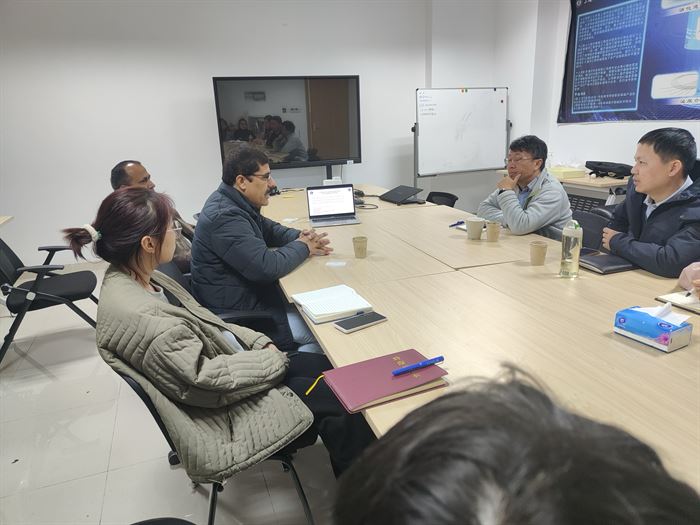
Prof. Akhtar Hayat, Prof. Muhammad Nasir and Prof. Mian Hasnain Nawaz have active collaboration with School of Health Sciences and Engineering, University of Shanghai Science and Technology, and several visits and seminars have been conducted.
ShanghaiEast China Sea Fisheries Research Institute, Chinese Academy of Fisheries Science
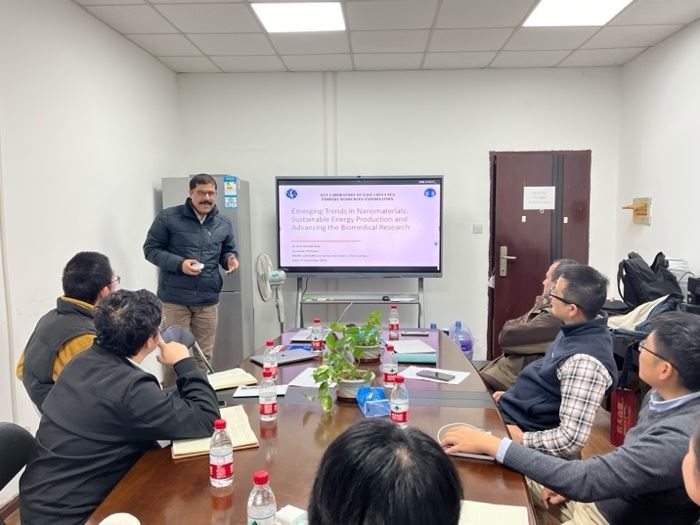
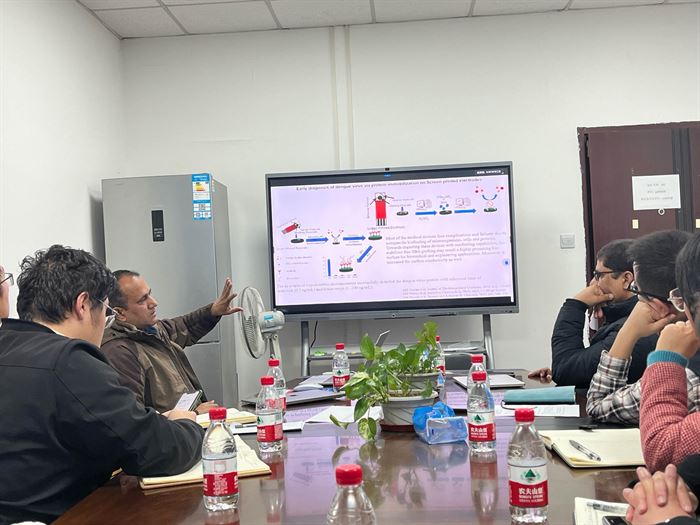
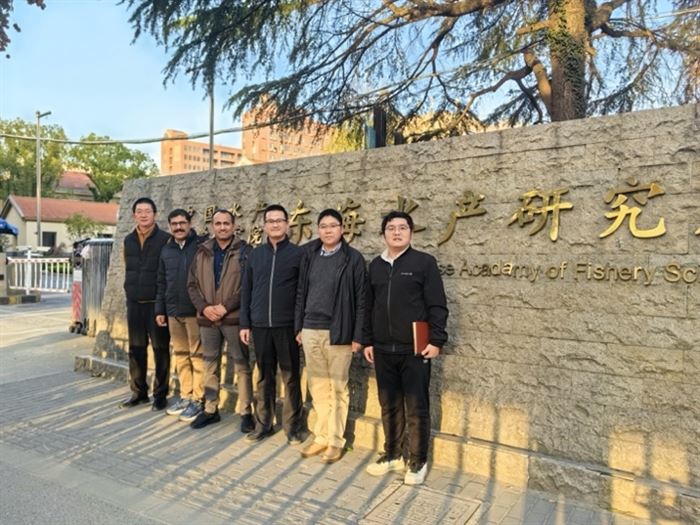
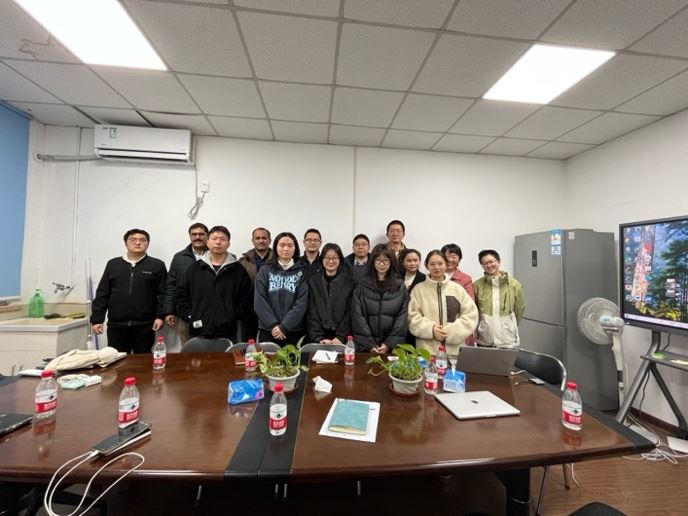
IRCBM has strong collaboration with Fisheries Research Institute, and both sides are involved in several Food Security and safety related joint students’ projects. Several high impact research papers have jointly been published via these collaborative efforts.
GuangzhouGuangzhou University
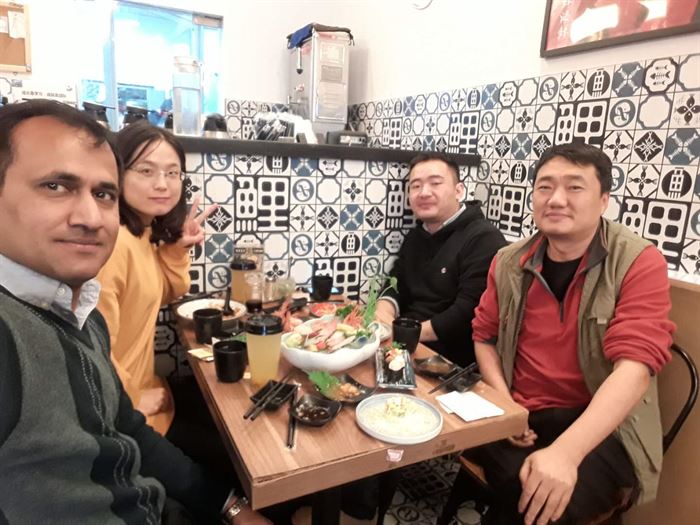
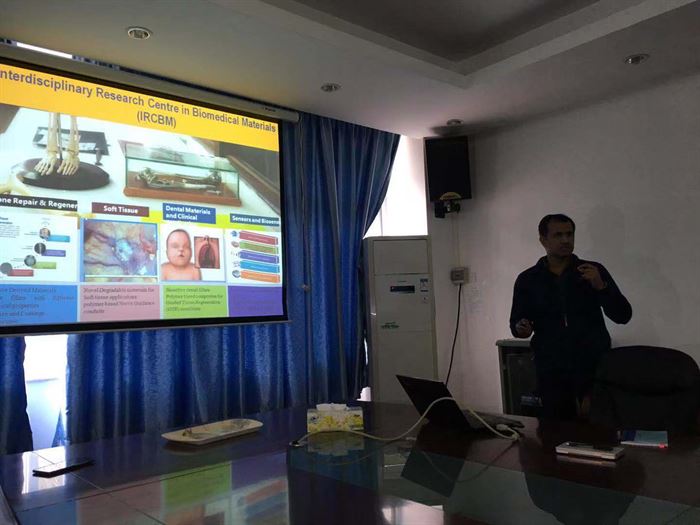
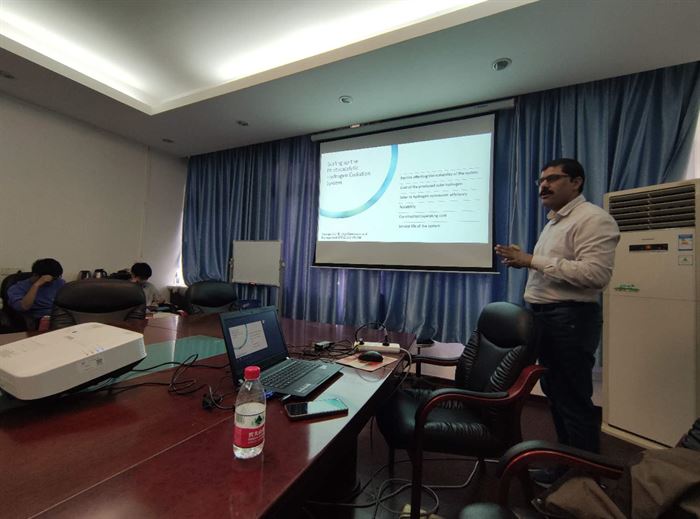
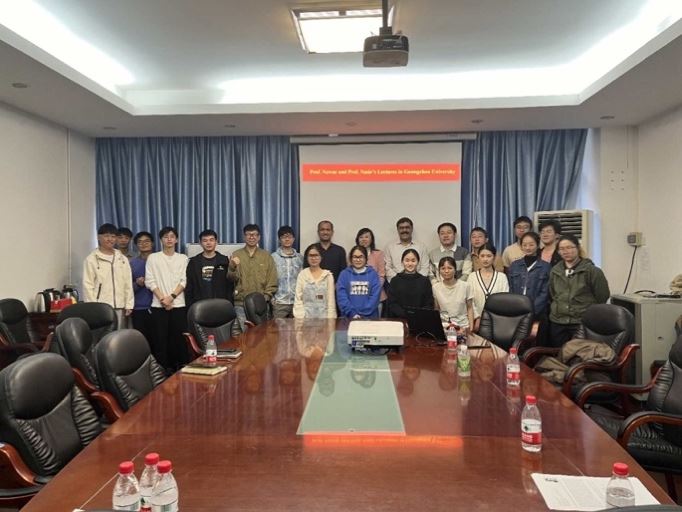
IRCBM has very strong collaboration with Guangzhou University of China and representatives of both the sides have visited each campus. The active scientific collaboration was formalized in the form of a joint Memorandum of Understanding (MoU) signed at CUI Lahore in August 2019 to further enhance the scientific and research collaboration between both universities. So far several joint publications and research proposals have been submitted and members of each university have participated in scientific events from both sides.
GuangdongSun Yat-sen University
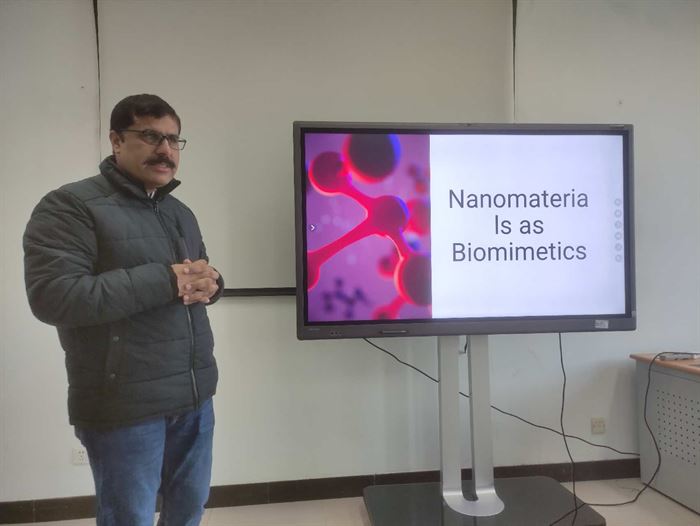
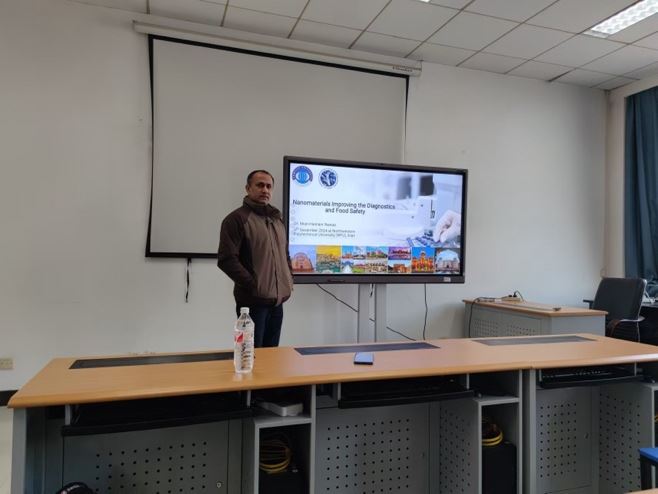
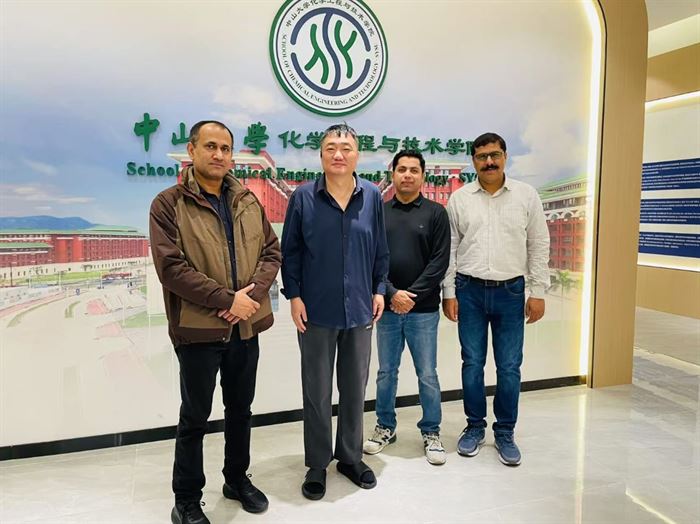
Prof. Mian Hasnain Nawaz of IRCBM has strong collaboration with Sun Yat-sen University and has recently secured a joint research grant funded by PSF and NSFC. Both the collaborating groups are actively collaborating on materials design and characterization for sensors and energy applications.
Xi’anShaanxi Normal University
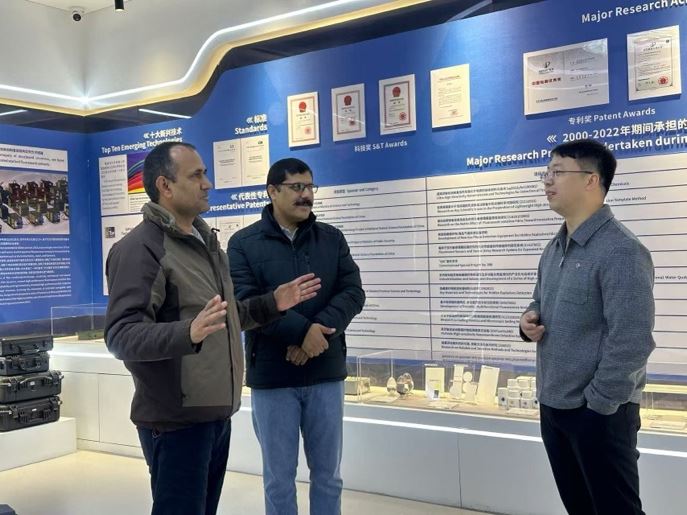
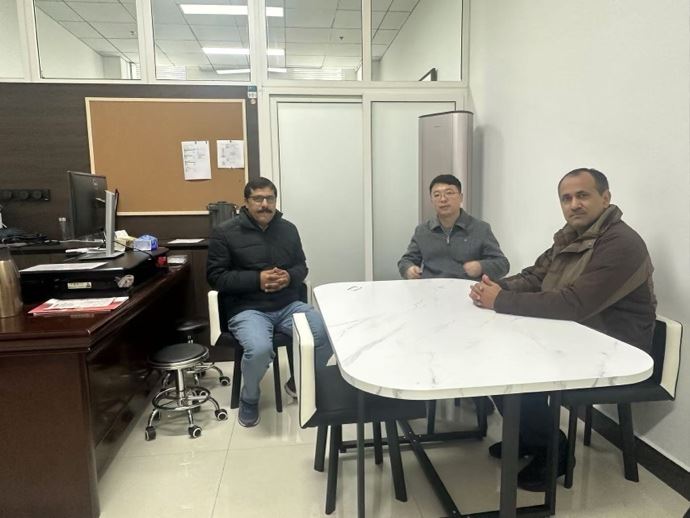
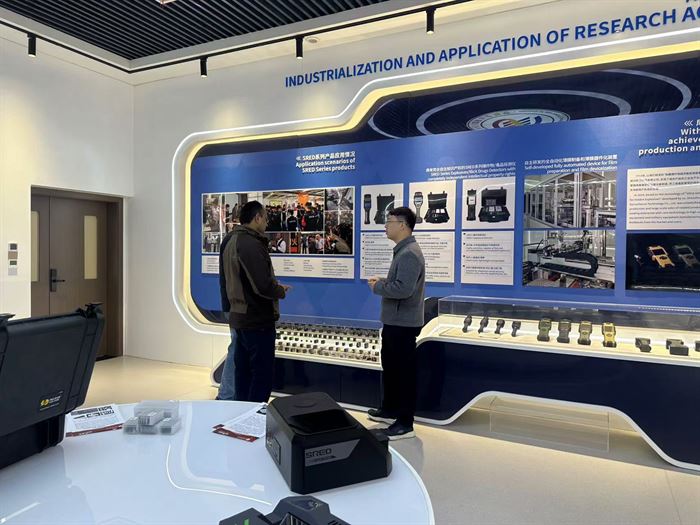
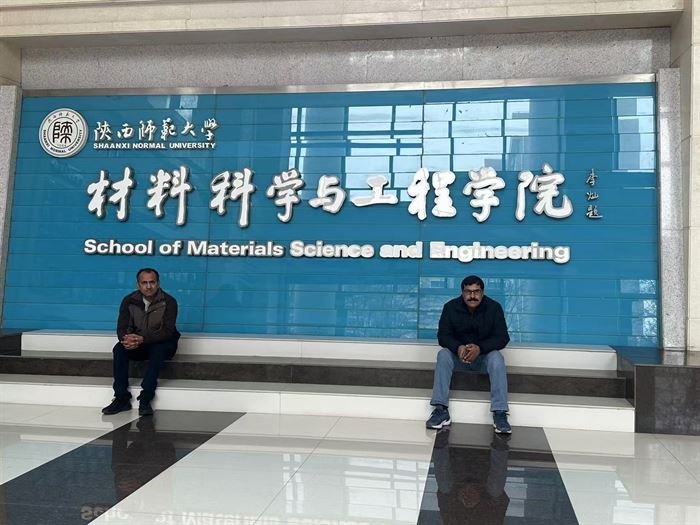
School of Materials Science and Engineering of Shaanxi Normal University has a strong grip of materials synthesis and characterization with special focus on the applied research. IRCBM and the Materials School are working together to design novel nanomaterials for applications in the field of sensors and energy. Both the sides are dedicatedly working to solving daily life civil as well as military problems in the field of hydrogels and sensing technology.
Partner Institution Highlights
Partner Institutions
Six universities and research institutes across China
Joint Funding
PSF–NSFC funded projects, completed and ongoing
Formal Agreement
MoU with Guangzhou University signed at CUI Lahore, August 2019
Student Mobility
CUI graduates placed at ECUST labs as funded PhD candidates
Research Focus
Nanomaterials, sensors, energy, hydrogels and food safety