
Particles and antimatter
- Fundamental building blocks
- Matter and antimatter
- Forces between particles
- Collision data analysis
What is everything made of, and what holds it together? We study the basic constituents of matter and the forces acting among them.
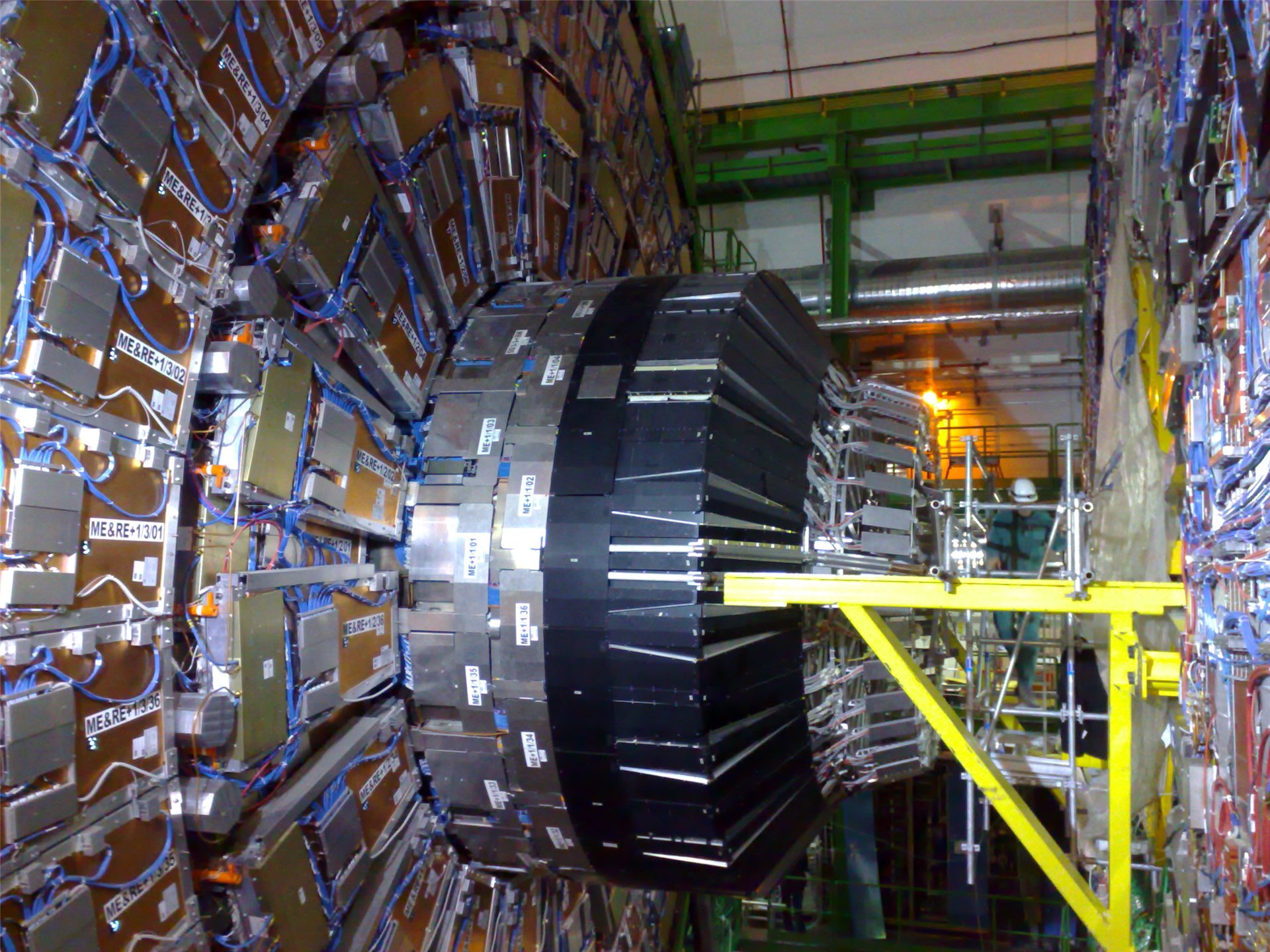
Join the group →High energy physics looks for the fundamental laws behind matter. Most of it happens at accelerators and detectors, where colliding beams leave data full of hints.
The group poster (PDF)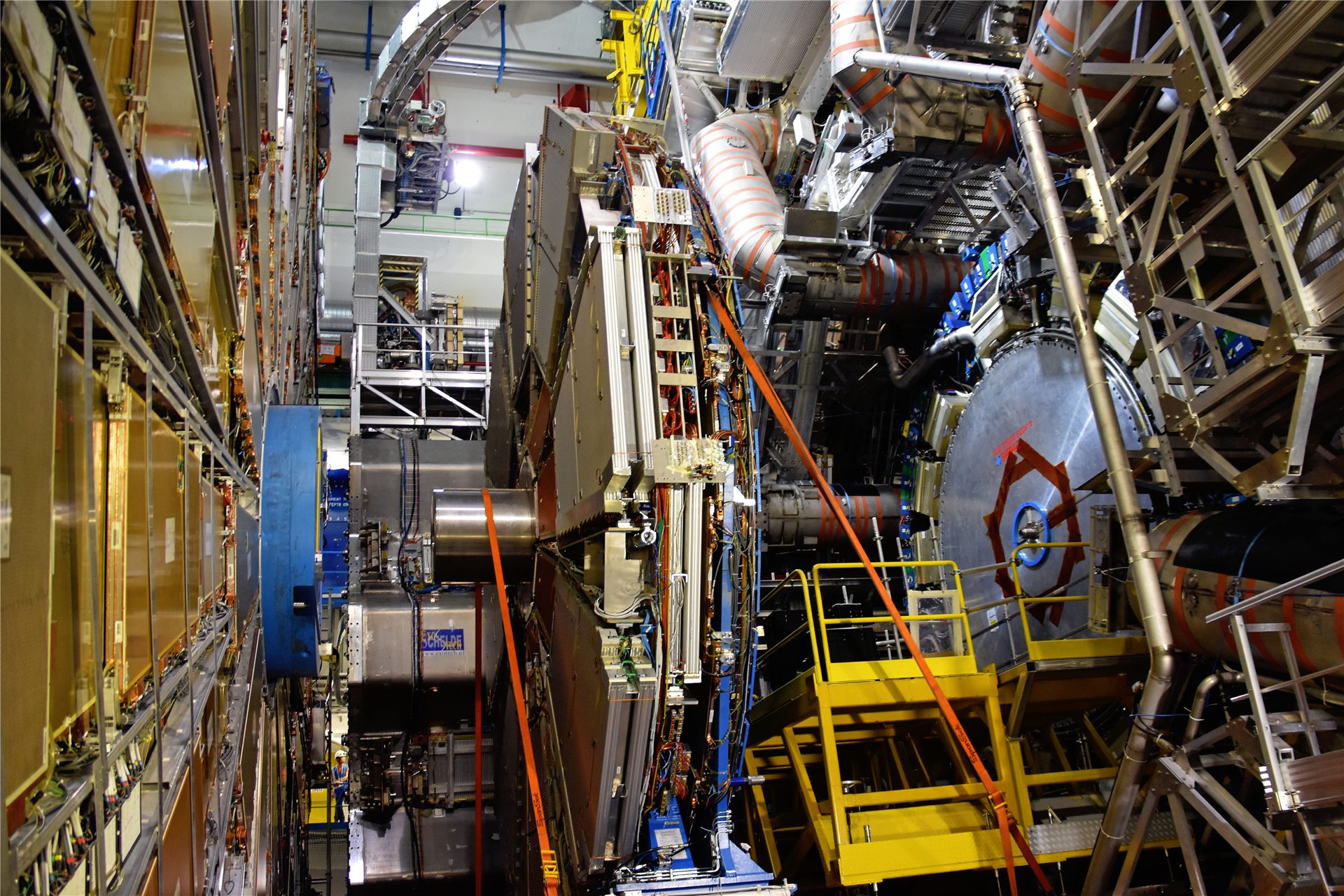
Every question the group works on, filed by scale. Point at one to see the instruments; choose one to ask us about it.
If you want to know what the universe is made of, this group asks that question directly. High energy physics studies the basic constituents of matter and the forces acting among them.
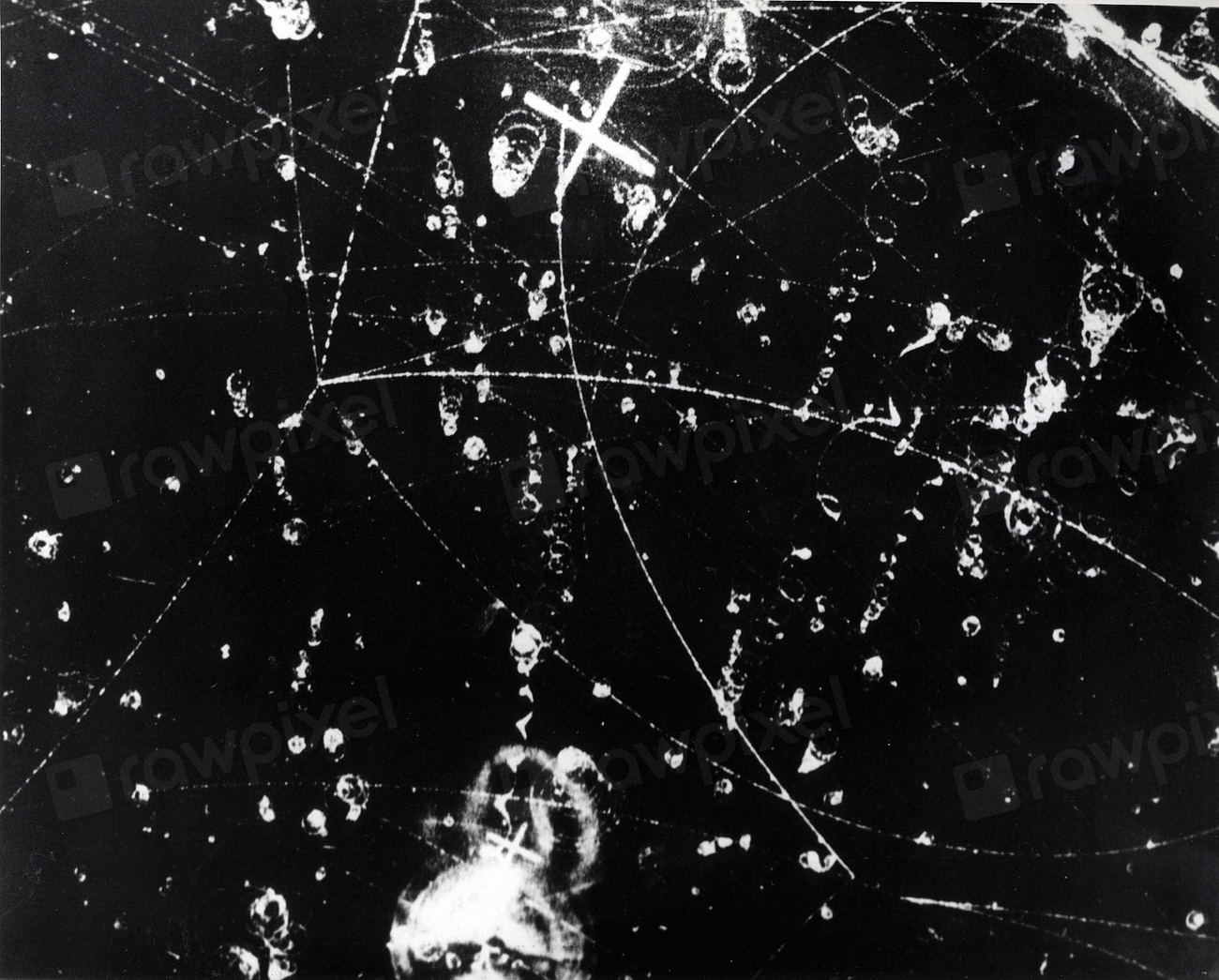
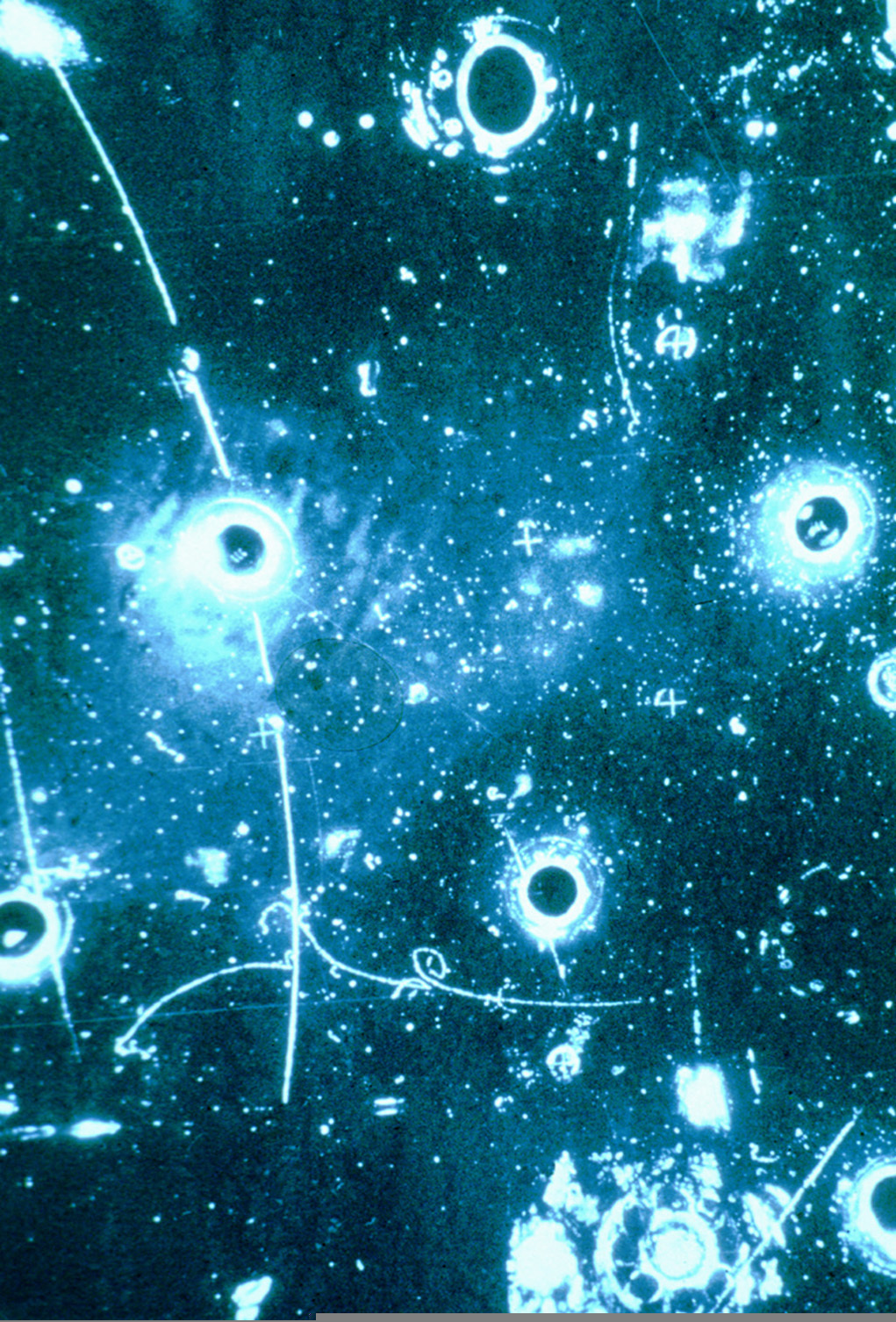
In accelerators, beams of electrons or protons are driven to high speed and collided. The data from these apparently chaotic collisions carries hints about the underlying physics, and experimental physicists dig the laws out of it.
Our questions run from the building blocks of matter and the gap between matter and antimatter, to dark matter, nucleosynthesis and the evolution of the universe since the Big Bang.
On the theory side we model hybrid mesons and meson–meson systems.
Pick the question that interests you below and write to us.
High Energy Physics Research GroupDepartment of Physics, CUI Lahore
Names are added from the department's faculty and student lists.